
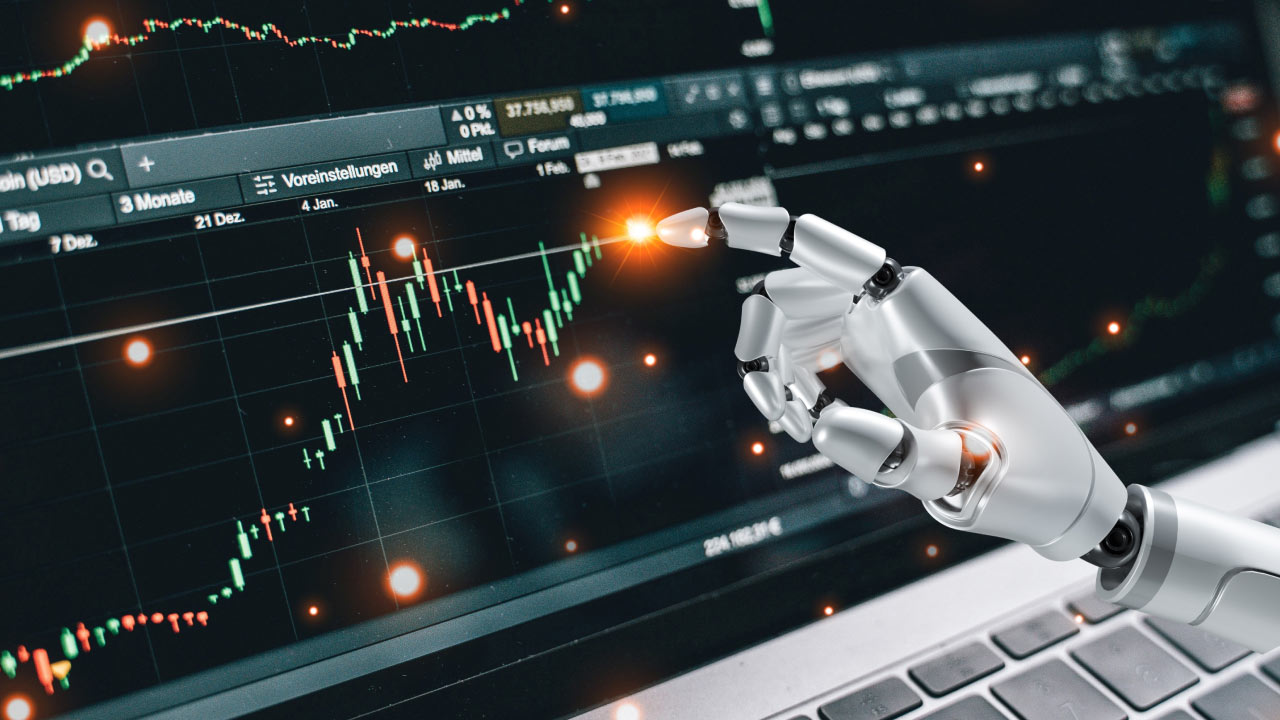
The best prop firms for futures attract aspiring traders long before they take their first real money bets. Indeed, one of the most important first steps into professional trading is to understand what paper trading is and how it can lay the foundation for a successful career in professional trading. Also known as simulated trading, paper trading allows traders to practice strategies in real market conditions while risking neither actual nor future capital. It's not just a learning tool, it's a strategic necessity for all serious candidates interested in applying to top prop firms.
What is Paper Trading?
Before one discusses advantages of paper trading, it helps to know what is paper trading. Practically, paper trading refers to trading via demo or simulated account. These accounts supposedly reflect real market conditions in price movements and spreads and even in the times taken to execute orders without putting a trader to financial loss. For example, paper trading enables one to experiment with different trading strategies, learn risk management and develop discipline that every trader needs to succeed in this high-stakes environment.
For traders having an eye on joining one of the best prop firms for futures, he can really lever the whole value of paper trading because it becomes an escapable and invaluable sandbox environment within which an investor learns to construct and establish hypotheses, test strategies, and learn market behavior without having the stress and strain associated with risking real money. This is important because firms prop, not just evaluating candidates from the angle of profitability, but also on those of consistency and discipline, and risk management skills, honed well through paper trading.
Why Paper Trading is Important Prior to Joining Prop Firms
Futures markets are highly leveraged and volatile; one bad mistake can sometimes carry a much heavier cost in real money. This is why the significance of knowing what is paper trading becomes very important. The simulated environment where traders could practice managing positions, understanding and crafting risk-reward ratios, and applying stop-loss strategies is what makes the simulated course effective.
Moreover, paper trading makes a trader realize their strengths and weaknesses. For example, one may be a very good trader in the trending markets but rather struggling with trades taken in sideways or choppy markets. Observing such patterns in a simulated environment allows a trader to adjust their trading patterns before having to face the pressures of real trading. Firms value this kind of preparedness as a sign of awareness and determination to professionalize trading.
Creating a Paper Trading Track Record
One very critical aspect of paper trading is that it enables one to create a documented record of trade history. As simulated trades per se do not transgress real money, maintaining comprehensive records of trades, strategies used, and results signifies a degree of diligence that prop firms delight in. Much of the finest prop firms for futures demands would-be applicants to take an evaluation challenge, which tests profitability, risk management and adherence to rules. Much better prepared are traders who have undergone thorough practice in this paper trading environment when facing such evaluations.
Paper trading also gives an edge in instilling psychological resilience because here, trading has to do with not just how well one can execute an excellent strategy but also in a way controlling all emotions. Engaging in risk-free practice means that traders get to experience how the market swings, manage the losses they have to go through, and are made to develop the emotional discipline that sees consistent performance-such qualities that top prop firms actively seek.
Choosing the Best Paper Trading Platform
Civil paper trading platforms do not make it. For the experience to be as realistic as possible, it is also critical to choose those platforms that best simulate futures markets, including the way the price will move, as well as liquidity and extent of leverage. Many brokers offer futures-only demo accounts. These platforms have features closer to real-life conditions, hence preparing the prospective applicants for the technical and mental hurdles they would have to jump over before joining the best prop firms for futures.
The Tactical Advantage of Paper Trading
Starting with paper trading gives a trader an inbuilt advantage; they can mess things up in an environment risky and learn from those experiences before ever risking real capital. For individuals who wish to be part of elite prop firms, this is a singularly important step. Indeed, it demonstrates professionalism, discipline, and a strong dedication to constant improvement-all things that identify a successful candidate from another.
Conclusion
Learning what is paper trading and how to apply it effectively is the first building block towards qualifying for the prop firms in futures. When simulating real market conditions, traders can shape the strategy, build confidence, and instill the discipline necessary to survive evaluation. Paper trading minimizes risk but also equips serious contenders with skills and mental adaptation necessary to survive future professional challenges. For the top-notch prop firms, paper trading is not an optional extra; it is strategically the foundation of their entire journey.